It is entirely possible to take your own astrophotography images. It requires a special telescope that can track the movement of deep space objects and a camera to acquire the images. As an entry point, that equipment is likely to set you back around a thousand dollars. Going beyond that level can really hurt a bank balance. There’s also the issue of housing or storing that equipment.
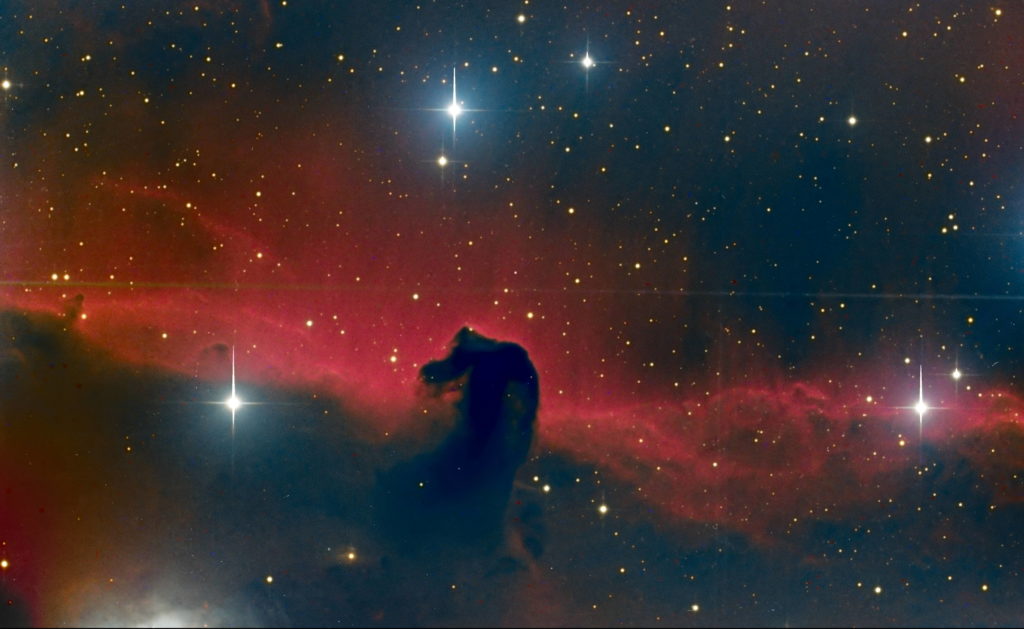
Astrophotography also requires access to a dark sky, away from light polluted towns and cities. This is not a problem for anyone living away from those areas, but for big city dwellers like me, it requires a one or two hour drive. Given that an imaging session could end after midnight, this means an overnight stay, typically over a weekend. That also costs money. The effort and expense is wasted if the clouds roll in.
Remote astrophotography is a viable solution. It still requires expensive equipment and a remote dark sky location, however you don’t need to purchase the equipment and you don’t need to travel.
What is Remote Astrophotography?
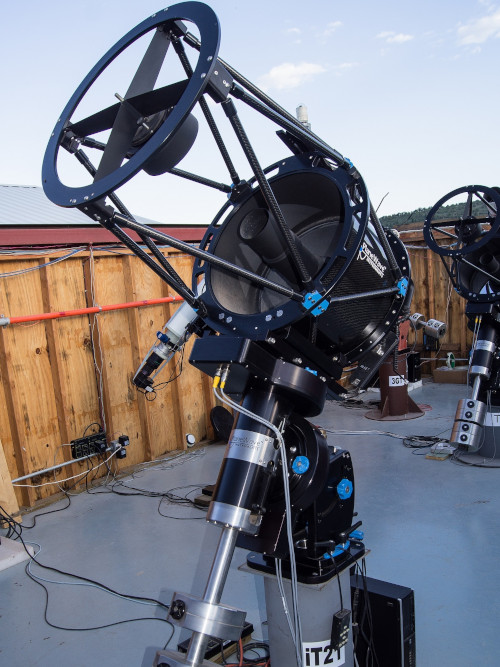
Remote astrophotography is accessing a remote telescope via a web browser and using it to take images of objects in the night sky. Essentially you are leasing or borrowing time on someone’s equipment already set up in a dark sky location. It usually involves scheduling an imaging session, so you don’t have to be sitting at your computer when the images are taken.
Once the images are captured, they can be downloaded and processed.
The Pros and Cons of Remote Astrophotography
Pros
- Cheaper in the short term with no upfront costs
- No need to travel to a dark location
- Can image northern and southern hemisphere objects
- No setup of equipment required
- Don’t need to understand how to operate equipment
- Imaging sessions are scheduled and run automatically without user interaction
Cons
- Regular, long term usage can get expensive
- Not as rewarding as doing it all yourself
- Limited booking availability of some telescopes, especially during peak times to view current celestial events such as comets
- Equipment can go offline at short notice
Remote Astrophotography Services
The list of remote astrophotography services is ever growing and that means more options to suit different levels of interest and budgets. Some plan structures are complicated in a similar way to mobile phone plans, meaning you’ll need to take time to study them to see exactly what you get. Some include free telescope time, discounts when the moon is up, or access to image data sets. For the best and most rewarding results, look for a service that gives you control over what you want to capture and access to the RAW image files.
Most services will offer a refund if the imaging session is affected by bad weather.
Below is a brief rundown on some of the most popular remote telescope services that are worth looking into if you want to get started with astrophotography. Let me know in the comments if you have a favourite or if I have missed a good one.
iTelescope.net
Has a large range of over 20 telescopes across the globe including some in amazing dark sky locations such as Siding Springs Australia and Chile. There are plans starting from $20 USD to $1000 USD per month. This service is highly rated as one of the best in the business. It’s a popular service that usually requires booking sessions at least a week in advance to get a reservation. This is the service I started with a few years ago and I can recommend it.
Telescope.live
This service follows a similar approach to iTelescope and has telescopes in some of the same dark sky locations, but does not have as many. Plans start as low as A$6 up to A$399 per month.
Slooh.com
This service has an education focus to it, with gamification elements that motivate its subscribers to earn badges and rewards. I found their pricing arrangement confusing and not particularly upfront with what you get. Their plans as listed as ‘For Educators’ or ‘For Everyone’. Entry level plans only allow for PNG images to be captured, which are not suitable for quality astrophotography. If you want to have fun and learn about the universe, then this could be the service for you. However if you are looking to capture amazing deep sky images, you may want to look elsewhere.
Chilescope.com
Chile has some of the best conditions for astronomy. Clear dark skies with an average of around 280 cloud free nights per year makes this service a prime candidate for good results. This service also includes a couple of telescopes based in China. Check the website for pricing plans.
Astrobin.com
Aside from being a great forum site on all things related to astrophotography, it also has a list of supported remote astrophotography services. The site is also a great place to showcase your images.
Gallery of My Astrophotography Images
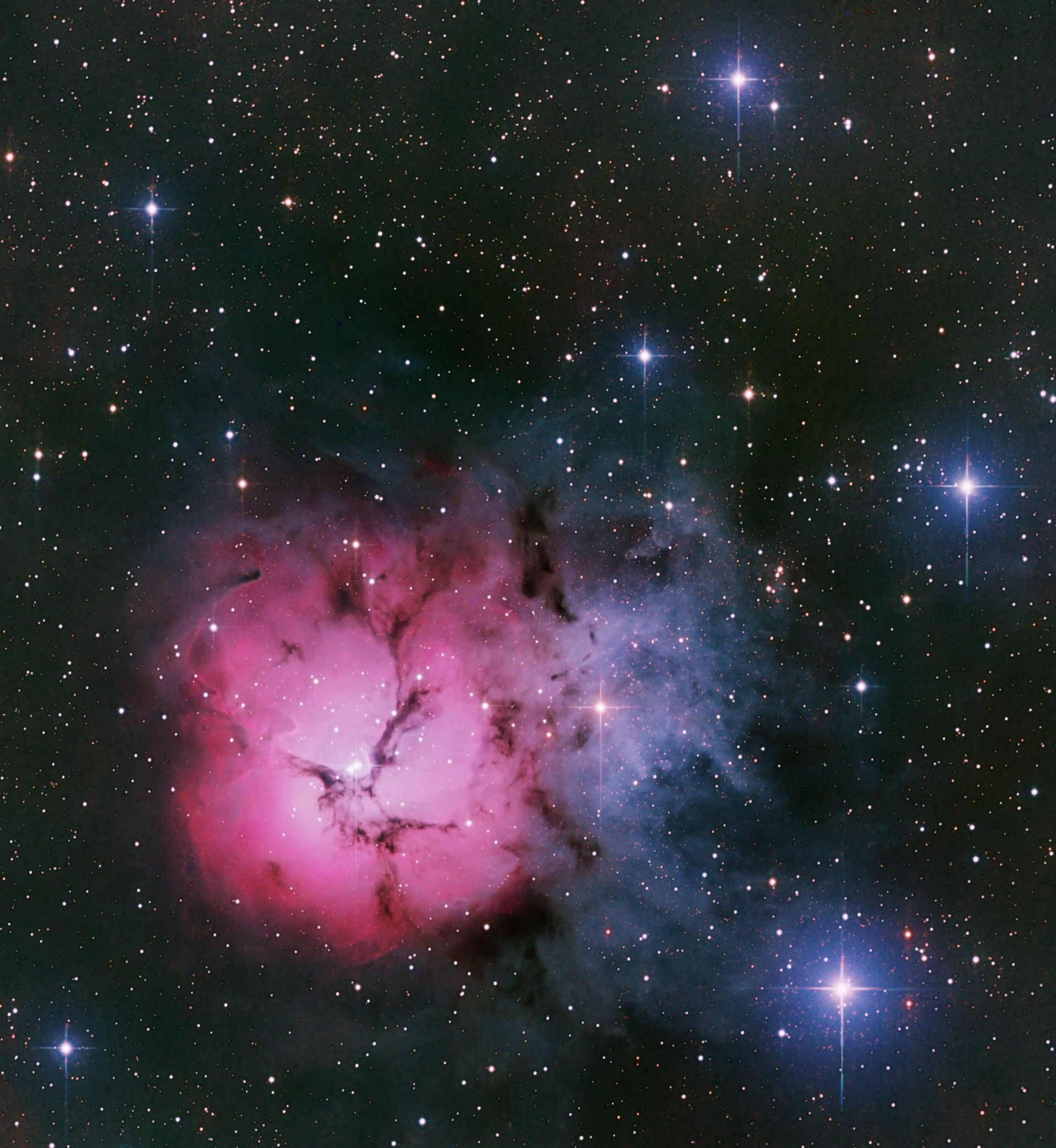
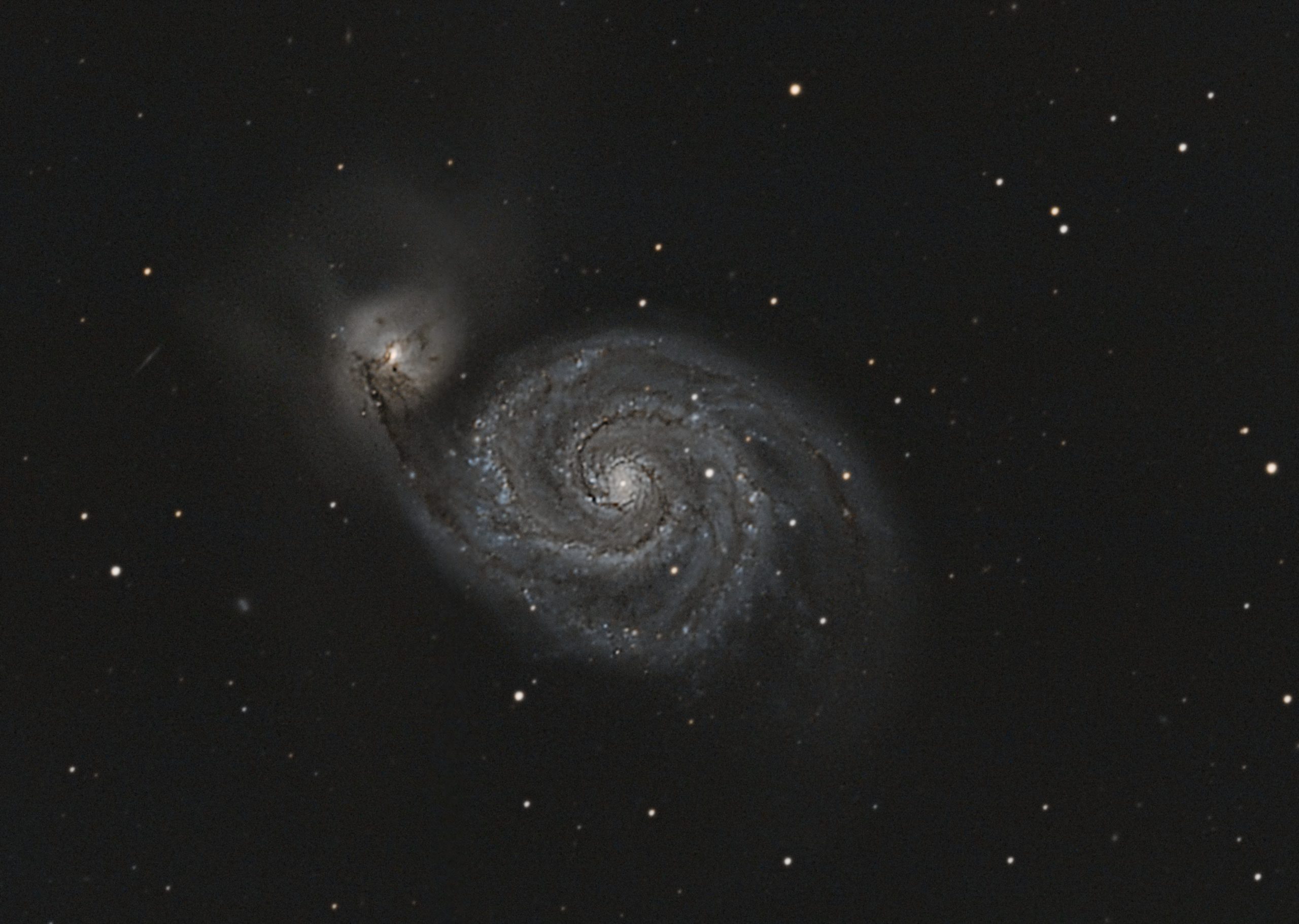
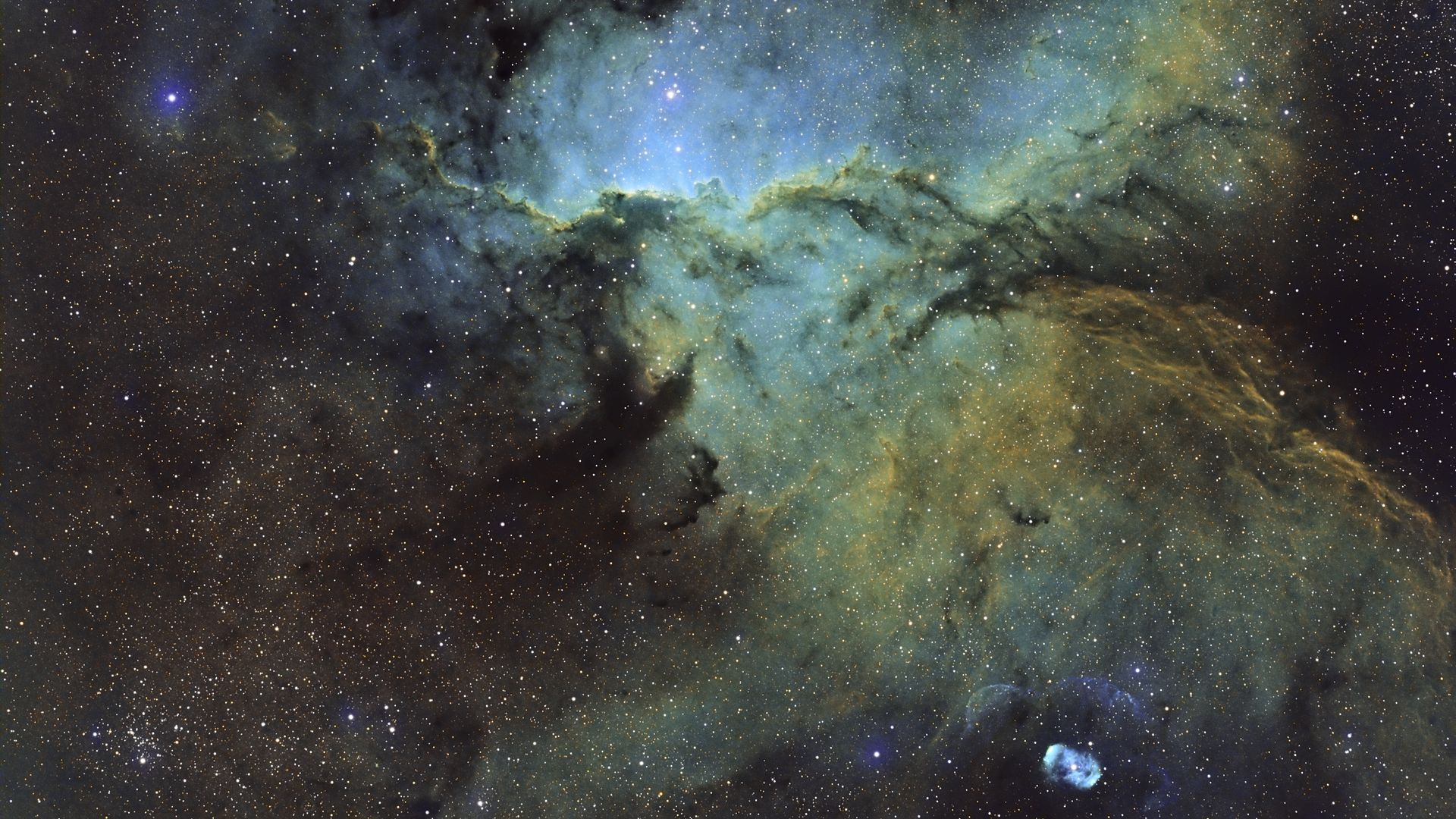
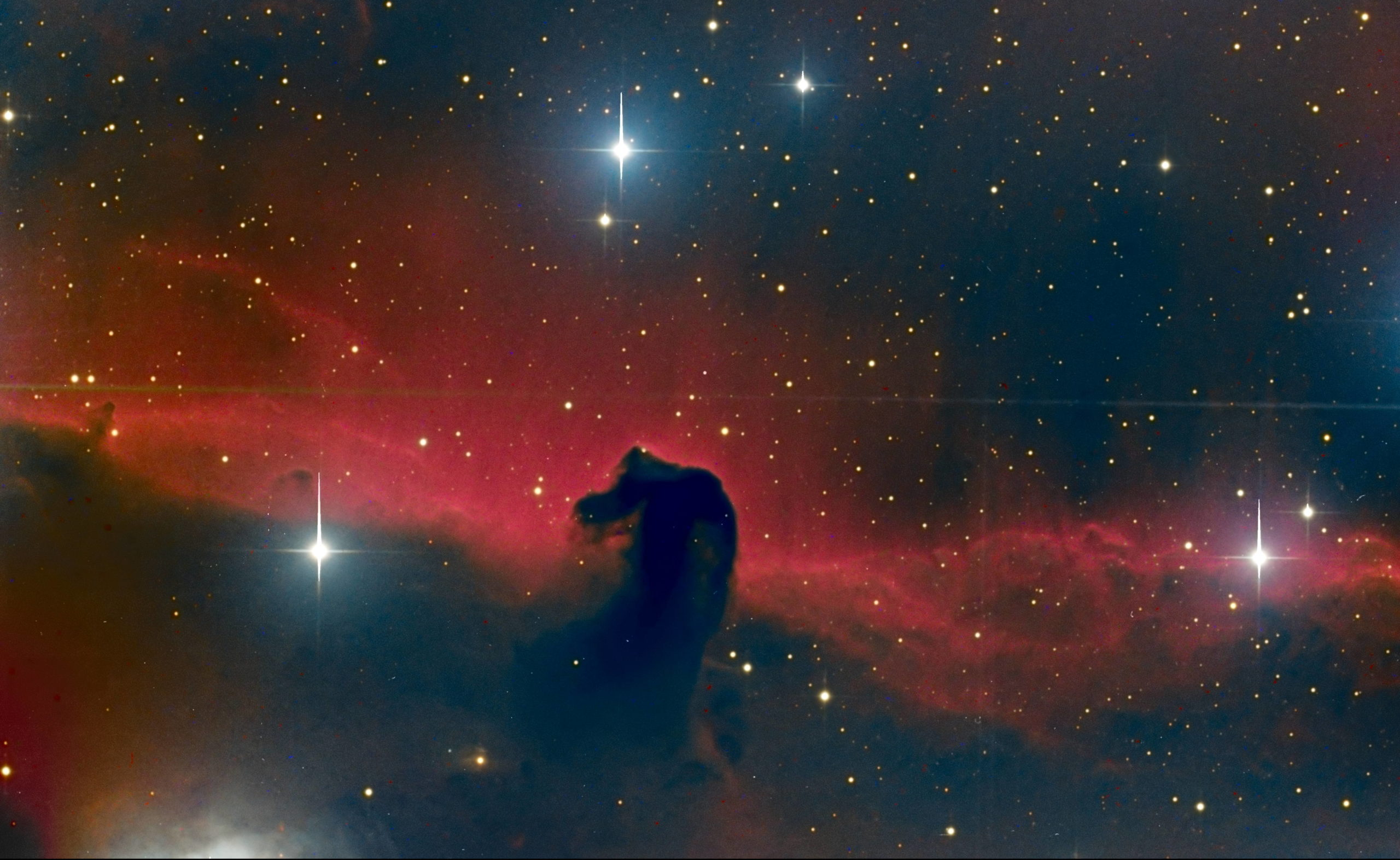
]]>Want to know how to process astrophotography images like these? Standby for my how to guide coming soon!